
How Much Protein Do You Need Each Day?
How much protein do you need each day? The answer depends on your age, activity, health and individual circumstances. Protein is important, but most adults do not need to chase the largest number they see online. A useful starting point is understanding the general adult reference intake, then considering whether your needs may differ.
Quick Answer
For generally healthy adults, the standard protein Recommended Dietary Allowance (RDA) is 0.8 grams per kilogram of body weight per day (about 0.36 grams per pound). This is a general reference amount intended to meet the needs of nearly all healthy adults—not a universal prescription or a maximum. People with particular training demands, health conditions or other circumstances may need individualized guidance. [1] [2]
Key Points
- The standard adult RDA is 0.8 g of protein per kg of body weight daily.
- Needs may differ with physical activity, age, illness and other personal factors.
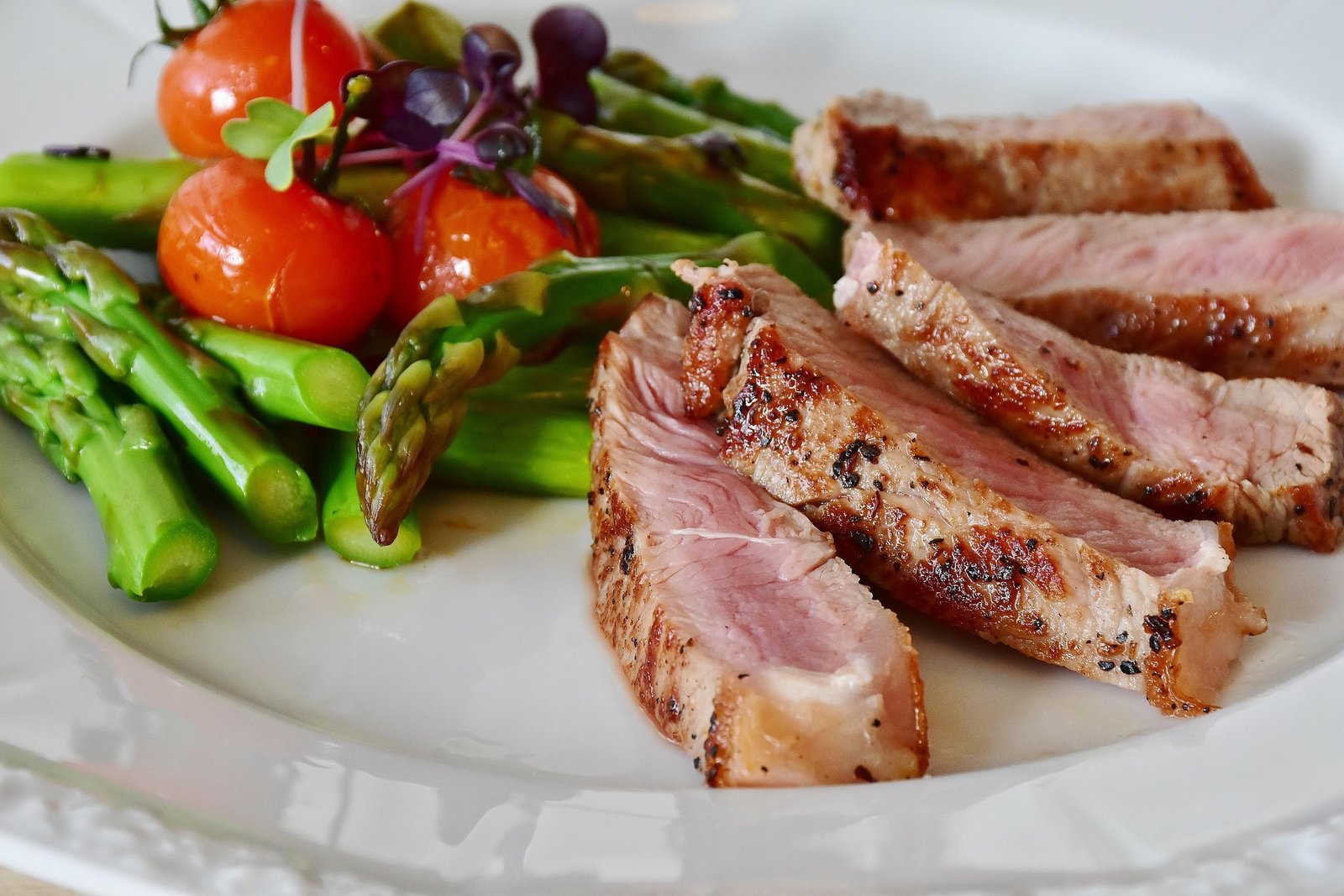
- Protein comes from beans, lentils, soy, eggs, dairy, fish, meat, nuts and other foods.
- Most people can focus on a variety of protein-containing foods rather than supplements.
- Protein matters alongside adequate overall nourishment, fiber-rich foods and other nutrients.
- People with kidney disease or other medical conditions should seek individualized advice.
How Much Protein Do You Need Each Day?
The adult RDA is a reference based on body weight. You can estimate it by multiplying your weight in kilograms by 0.8. The result is a daily amount in grams. It is a starting reference for generally healthy adults, not a requirement to hit an exact number at every meal. [1]
| Example adult body weight | RDA calculation | Approximate daily protein |
|---|---|---|
| 60 kg | 60 × 0.8 | 48 g |
| 70 kg | 70 × 0.8 | 56 g |
| 80 kg | 80 × 0.8 | 64 g |
| 90 kg | 90 × 0.8 | 72 g |
How to interpret the table: These figures illustrate the adult RDA calculation; they are not personalized targets or instructions to change your body weight. If you are still growing, pregnant, recovering from illness or managing a health condition, different considerations apply.
Why Does Your Body Need Protein?
Protein provides amino acids used to build and maintain tissues and to make many important substances in the body, including enzymes. It contributes to normal growth, repair and everyday function. Protein-containing foods may also supply iron, zinc, vitamin B12, fiber or other nutrients, depending on the source. [2] [3]
That does not mean protein alone determines health or fitness. Eating enough overall food and including fruits, vegetables, grains and other nutrient-rich choices also matters. Our healthy eating for men guide explains how these parts fit together.
Who Might Need a Different Amount of Protein?
People who exercise regularly
People doing frequent or demanding strength or endurance training may benefit from more protein than the general RDA, depending on their activity and goals. Research in sports nutrition often examines higher intakes for training adaptation, but that does not mean every person who walks, cycles or lifts occasionally needs a high-protein diet. Training, total food intake and recovery all matter. [4]
If you're planning your week, see how often you should strength train each week and how much rest you need between workouts.
Older adults
Some expert groups recommend that older adults pay particular attention to protein intake as part of maintaining muscle function and overall health. Needs vary, especially when illness or reduced appetite is involved. An appropriately qualified clinician or registered dietitian can help interpret recommendations for an individual.
People recovering from illness or injury
Recovery can change nutritional needs. A healthcare professional can advise whether additional protein is appropriate and how to meet those needs with food or, when indicated, specialized nutrition support.
People with kidney disease or other medical conditions
Protein advice is not one-size-fits-all for kidney disease. Depending on the condition and treatment, a clinician or renal dietitian may recommend a different amount. Do not increase or restrict protein based solely on a general wellness article. [5]
Which Foods Contain Protein?
Protein is available from both animal and plant foods. Choosing different sources can help make meals enjoyable, affordable and nutritionally varied. USDA MyPlate includes seafood, meat, poultry, eggs, beans, peas, lentils, nuts, seeds and soy products in its protein foods group. Dairy foods also contribute protein. [3]
| Food | Why it can be useful | Everyday idea |
|---|---|---|
| Beans and lentils | Protein plus fiber | Add to rice, soup or a vegetable dish |
| Eggs | Convenient, versatile protein | Serve with vegetables and toast |
| Fish | Protein and other nutrients that vary by type | Pair with potatoes and greens |
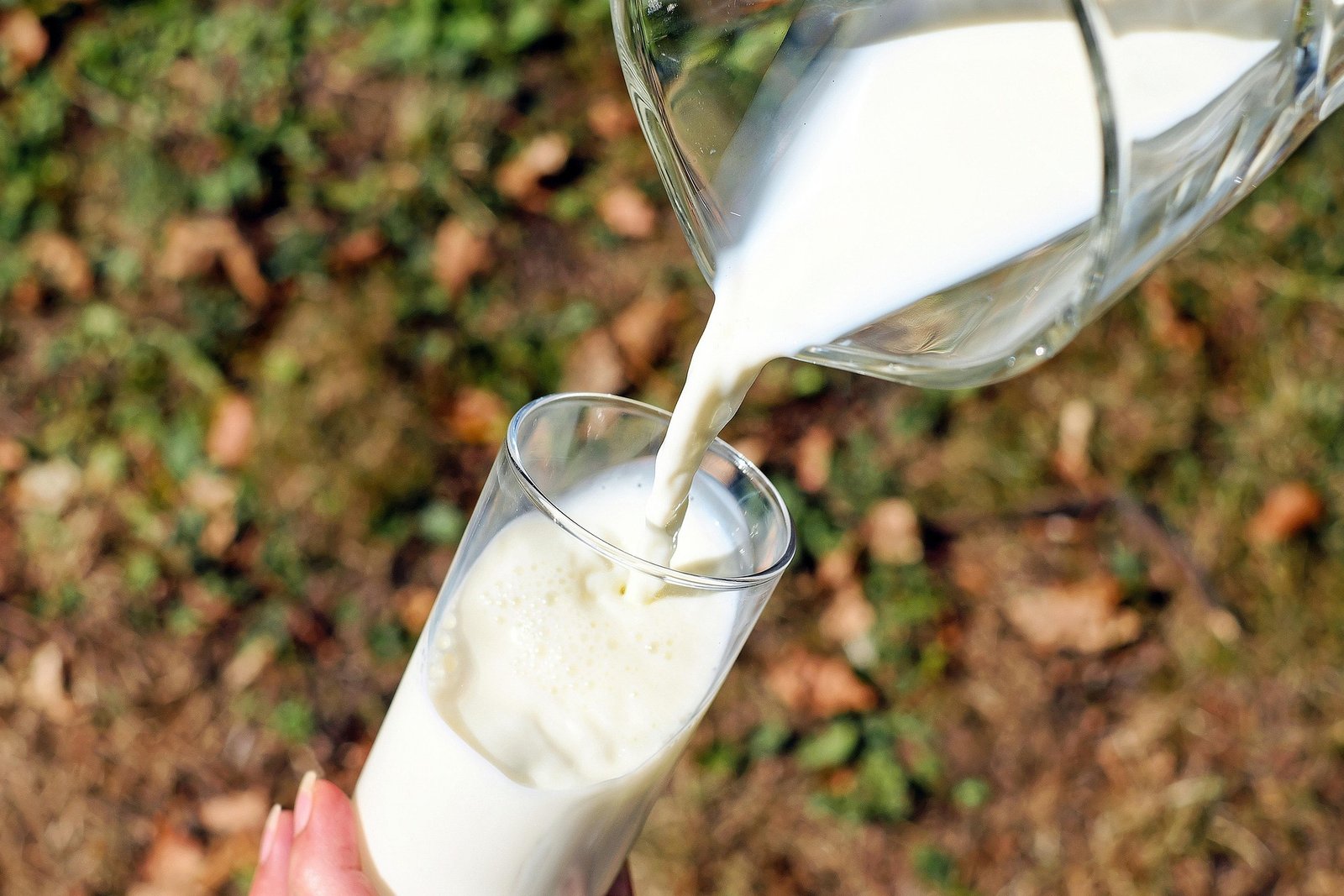
| Milk or yogurt | Protein and, often, calcium | Combine plain yogurt with oats and fruit |
| Tofu and soy foods | Plant-based protein options | Add to a stir-fry or grain bowl |
| Chicken or other lean meats | Flexible main-dish protein | Combine with vegetables and a staple grain |
| Nuts and seeds | Protein plus unsaturated fats | Use as part of a snack or topping |
The protein content of foods varies with portion size, brand and preparation. Food labels or reliable food-composition databases can help when exact information is medically or practically important.
Do You Need Protein at Every Meal?
Including a protein-containing food at different meals can be a practical way to eat a varied diet and avoid relying on one very large serving. But there is no need to treat every snack as a protein challenge or to follow a rigid schedule. Your overall pattern matters more than perfect timing for most people.
Three simple meal combinations
- Breakfast: Yogurt with oats and fruit, or eggs with toast and tomatoes.
- Lunch: Rice and beans with vegetables, or a tofu-and-grain bowl.
- Dinner: Fish with potatoes and greens, or lentil stew with a familiar staple.
These are flexible ideas, not prescribed meal plans or fixed portion recommendations.
Is More Protein Always Better?
No. Eating more protein than you need does not automatically produce better health or fitness outcomes. Protein is only one component of your diet, and emphasizing it excessively may crowd out other useful foods. There is also no single ideal intake for every adult.
If you are active, it makes sense to consider nutrition alongside your actual training schedule, sleep and recovery. Our guide to beginner full-body workouts can help put strength training into a manageable routine.
Do You Need Protein Powder or Supplements?
Not necessarily. Many adults can meet their protein needs through everyday foods. A supplement may be convenient in some circumstances, but convenience is different from necessity. Products can vary in ingredients and quality, and they are not a substitute for an overall balanced eating pattern.
If you are considering supplements because of a diagnosed deficiency, medical condition, dietary restriction or demanding training program, ask an appropriately qualified professional for guidance.
How Can You Get Enough Protein Without Overspending?
- Build meals around affordable staples such as beans, lentils, eggs or other locally available options.
- Compare foods based on overall value and how often you'll actually use them.
- Combine protein foods with vegetables and satisfying grains or starchy foods.
- Use canned or dried legumes when they fit your schedule and budget.
- Choose familiar foods you enjoy rather than purchasing specialty products because of marketing claims.
Budget-friendly nutrition is about a repeatable pattern, not a perfect shopping list.
Common Protein Mistakes to Avoid
- Assuming everyone needs the same number: requirements vary with individual circumstances.
- Confusing the RDA with a personalized athletic target: they answer different questions.
- Ignoring plant foods: legumes, soy foods, nuts and seeds can contribute meaningful protein.
- Focusing on protein while neglecting the rest of the diet: variety, fiber and overall nourishment matter.
- Buying supplements before considering food: ordinary meals are often a practical starting point.
- Following high-protein advice despite a medical condition: some people need tailored guidance.
Your Practical Protein Checklist
- Do I understand that the adult RDA is a general reference, not a universal prescription?
- Am I including a variety of protein-containing foods across my week?
- Do my meals also contain vegetables, grains and other nourishing foods?
- Are my choices realistic for my budget and schedule?
- If I have a medical condition or specialized training needs, have I sought appropriate advice?
How Protein Fits Into a Sustainable Eating Routine
Protein can be straightforward when you stop treating it as a competition. Choose a few foods you enjoy, include them in meals that satisfy you and adjust your approach when your needs or circumstances change. For the bigger picture, revisit our practical guide to healthy eating for men.
Continue Reading
Bottom Line
For generally healthy adults, 0.8 g of protein per kilogram of body weight per day is the standard RDA reference. Actual needs may differ. Focus on varied protein-containing foods within a balanced diet, and seek individualized advice when your health or activity makes the general reference less suitable.
Health and editorial note: This article provides general information for adults and is not individualized dietary or medical advice. Protein requirements differ for children and adolescents, during pregnancy and with certain health conditions. Speak with a qualified clinician or registered dietitian about personal requirements, especially if you have kidney disease or are recovering from illness.
Sources & Further Reading
- NIH Office of Dietary Supplements — Nutrient Recommendations and Databases. Background on dietary reference intakes, including RDAs.
- MedlinePlus — Protein in Diet. General overview of protein's functions and dietary sources.
- USDA MyPlate — Protein Foods. Food groups and examples of protein foods.
- Jäger et al. — International Society of Sports Nutrition Position Stand: Protein and Exercise. Sports-nutrition discussion for physically active adults.
- NIDDK — Healthy Eating for Adults with Chronic Kidney Disease. Individualized nutrition considerations in kidney disease.