
Healthy Eating for Men: A Practical Guide to Building a Better Diet
Healthy eating for men does not have to mean a strict meal plan, expensive ingredients or giving up every food you enjoy. For most adults, a healthier diet begins with a few repeatable choices: eating a variety of nourishing foods, including more vegetables and whole grains, choosing satisfying protein sources and finding a meal pattern that fits real life.
Quick Answer
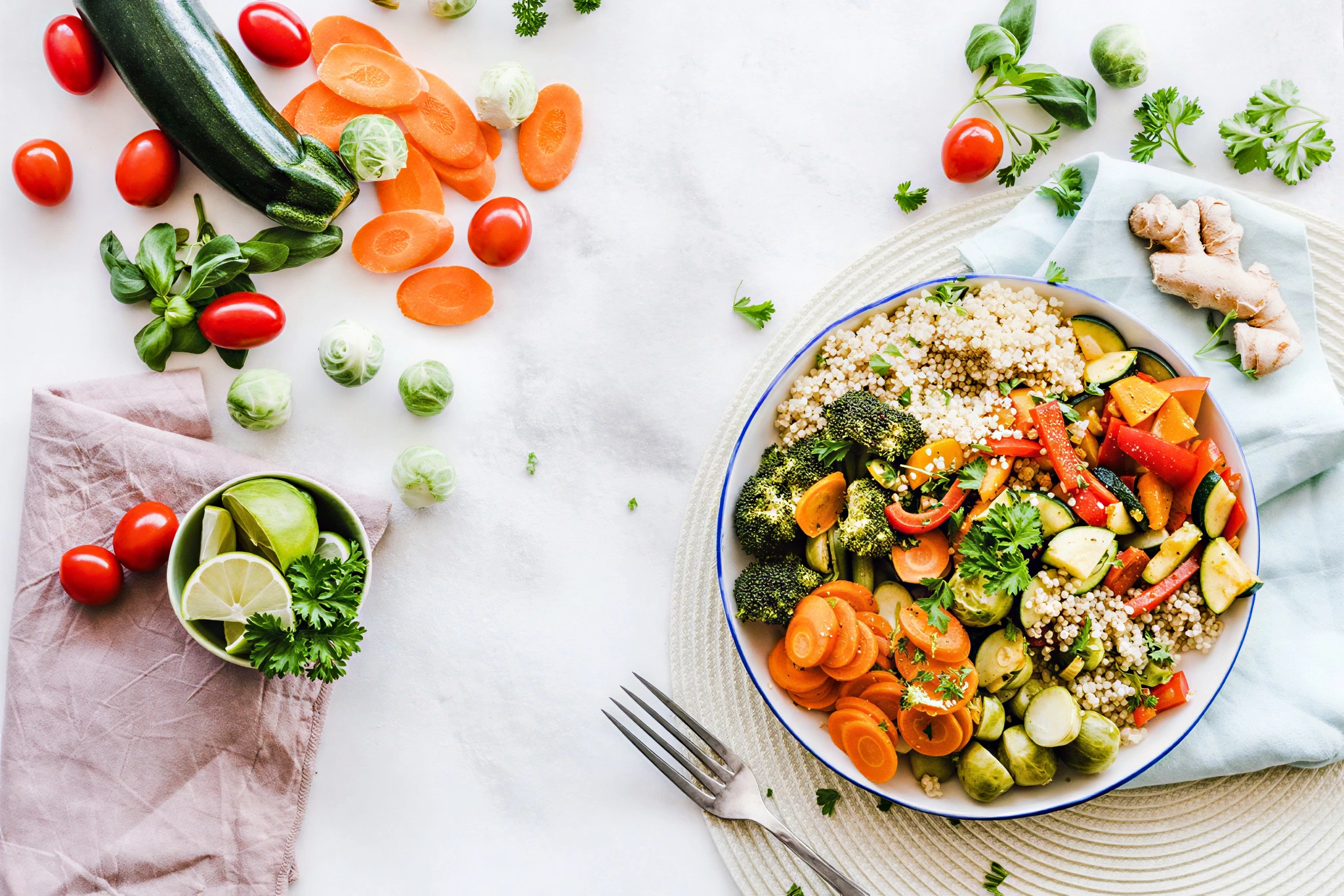
A healthy eating pattern generally includes plenty of vegetables and fruit, whole grains, varied protein foods, and unsaturated fats, while limiting excess sodium, added sugars and saturated fat. The best starting point is not a complete diet overhaul: make one or two changes you can maintain, then build from there. Individual needs vary with age, activity, health conditions and personal circumstances. [1] [2]
Key Points
- Look at what you eat over days and weeks, not whether one meal was “good” or “bad.”
- Build meals around a mix of vegetables or fruit, grains or other starchy foods, protein and satisfying fats.
- Fiber-rich foods such as beans, lentils, vegetables and whole grains support a balanced eating pattern.
- Water is a useful default drink, but fluid needs differ from person to person.
- Affordable, convenient foods—including frozen vegetables and canned beans—can fit into healthy eating.
- Consistency matters more than perfection.
What Does Healthy Eating Actually Mean?
Healthy eating is a pattern of choices that helps you get enough energy and essential nutrients while supporting long-term health. It is not defined by one “superfood,” a particular supplement or a perfect plate at every sitting.
The World Health Organization emphasizes dietary variety, balance, moderation and adequacy, including vegetables, fruit, legumes and whole grains. Public-health guidance also recommends limiting foods high in free sugars, salt and unhealthy fats. [1]
For men, the fundamentals are broadly the same as for other adults. The amount of food you need may differ depending on your age, body size, activity and health. A general article cannot determine your personal nutritional requirements.
What Should a Balanced Diet Include?
Vegetables and fruit
Use a variety of colors, types and preparations. Fresh produce is useful, but frozen and canned options can be practical too. Choose canned options with less added salt or sugar when available. Adding a vegetable to lunch or a piece of fruit to breakfast is a simple place to start.
Whole grains and other fiber-rich carbohydrates
Oats, whole-wheat bread, brown rice and other whole grains provide carbohydrates along with fiber and nutrients. Potatoes, maize, rice and other familiar staples can also be part of balanced meals. There is no need to remove all carbohydrates to eat well. [2]
Varied protein foods
Protein supports the body's normal growth, maintenance and repair. Useful sources include beans, lentils, eggs, fish, poultry, dairy foods, soy foods, nuts and seeds. Variety can help you obtain a broader range of nutrients; protein does not have to come from meat at every meal.
Fats that support a balanced pattern
Foods such as nuts, seeds, avocado and fish, and oils rich in unsaturated fats, can contribute to a balanced diet. Focus on the overall types and amounts of fat rather than treating all fat as something to avoid. [1]
Calcium-rich foods and suitable alternatives
Milk, yogurt, fortified alternatives and some other foods can contribute calcium and additional nutrients. If you avoid dairy, check whether alternatives are fortified and meet your dietary needs.
How to Build a Balanced Meal Without Counting Everything
A simple visual approach can make meal planning easier. Imagine including a generous portion of vegetables or fruit, a satisfying protein source, and a whole grain or another starchy food. Add a source of healthy fat where it fits. This is a flexible guide—not a strict rule about portion sizes. USDA's MyPlate offers one visual example of food-group balance. [2]
| Meal component | Everyday options | Easy way to use it |
|---|---|---|
| Vegetables or fruit | Greens, carrots, tomatoes, cabbage, oranges, bananas | Add a side, mix into a main dish or choose fruit with a meal |
| Protein | Beans, lentils, eggs, fish, chicken, tofu, yogurt | Include a food that makes the meal satisfying |
| Grains or starchy foods | Oats, whole-grain bread, rice, maize, potatoes | Choose portions based on hunger, activity and personal needs |
| Fats and flavor | Nuts, seeds, avocado, olive or other unsaturated oils | Use to add flavor and variety |
Example: Rice, beans and cooked greens make a straightforward meal. Add tomato, avocado or another vegetable when available. Another option is eggs with whole-grain toast and fruit. Neither meal needs to look like a social-media “perfect plate.”
Which Nutrients Deserve Attention?
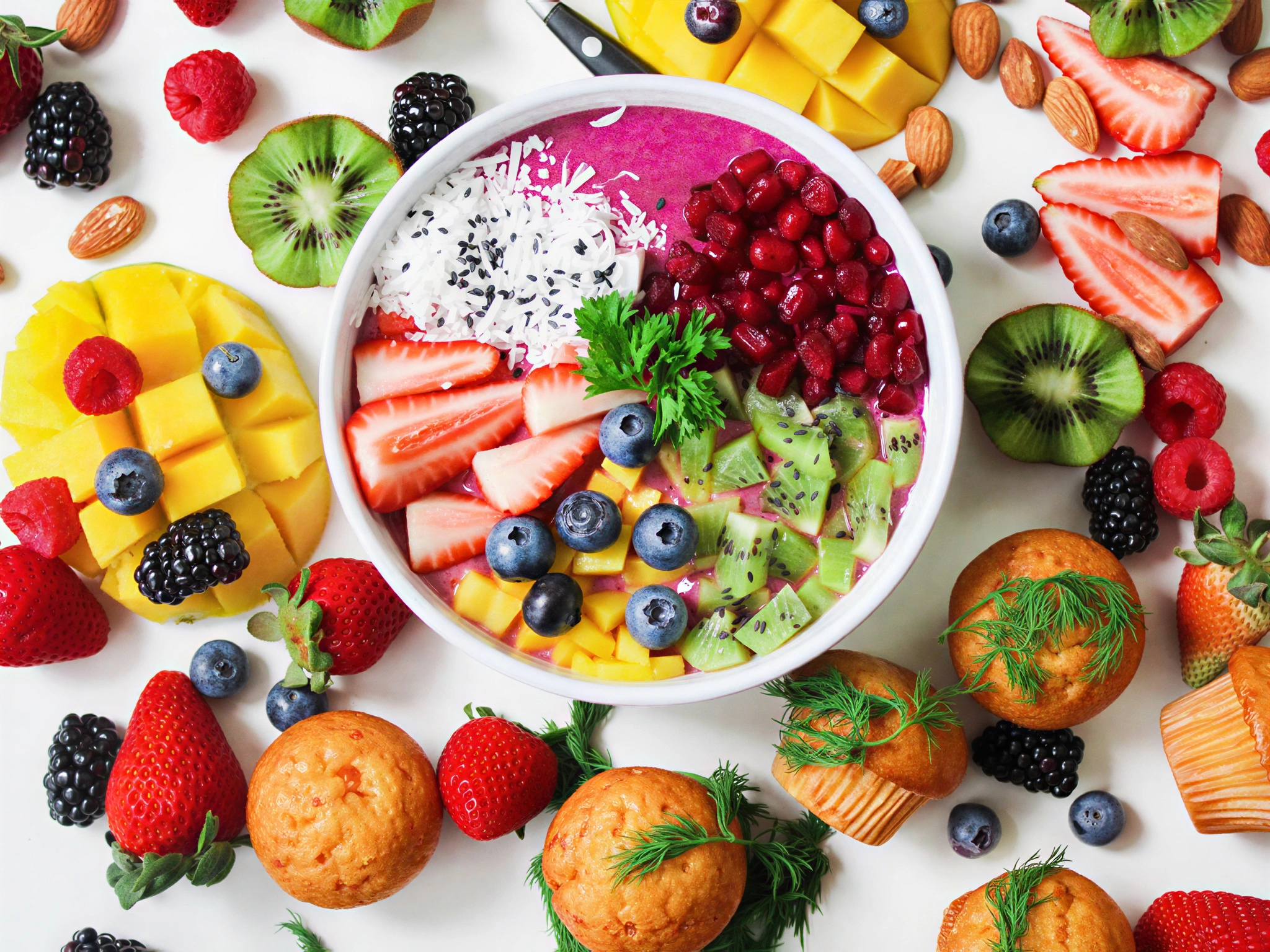
Most people benefit from thinking about foods and dietary patterns before individual nutrient targets. Still, a few topics are especially useful to understand.
Protein
Protein needs depend on personal factors, including activity and health. Rather than assuming everyone needs a high-protein diet, start by including varied protein foods across your meals. We'll cover adult protein requirements in a dedicated NobleHabits guide.
Fiber
Fiber is found in plant foods, including beans, lentils, whole grains, vegetables, fruit, nuts and seeds. Choosing more of these foods is a practical way to improve dietary variety and support digestive health. Increase fiber gradually if you're not used to eating much of it. [3]
Vitamins and minerals
A varied diet helps supply essential micronutrients. Certain needs may require additional attention depending on dietary restrictions, medical conditions or life stage. Supplements are not a substitute for an overall balanced diet, and they are not automatically necessary for everyone.
What Should You Drink?
Water is a straightforward everyday choice. Unsweetened tea and other beverages can also contribute to fluid intake. Your needs change with heat, activity, food intake and individual circumstances, so a single water target is not right for everyone. [4]
One useful habit is to keep water accessible during your usual day and drink regularly, especially when active or in hot weather. People with conditions that affect fluid balance should follow individualized medical guidance.
How Can You Eat Healthier Without Making It Complicated?
1. Improve one meal you already eat
Add fruit to breakfast, vegetables to lunch or beans to a familiar dinner. Small improvements are easier to maintain than rebuilding your entire menu overnight.
2. Keep a few reliable ingredients available
Oats, eggs, canned beans, frozen vegetables, rice, fruit and yogurt can help you put together meals without elaborate preparation. Choose options that fit your budget, culture and preferences.
3. Make convenience work for you
Prewashed greens, frozen vegetables, canned fish or legumes and simple ready-to-use ingredients can save time. Convenience does not automatically mean poor nutrition.
4. Notice patterns instead of judging individual foods
A celebration meal or snack does not cancel out your broader habits. Aim for a flexible pattern that you can live with.
5. Make changes that fit your schedule
If mornings are rushed, prepare breakfast ingredients ahead of time. If evenings are busy, cook extra portions when practical. A realistic system beats an ambitious plan you rarely use.
How to Eat Well on a Budget
Healthy eating does not require premium products or specialty powders. Beans, lentils, oats, seasonal produce, frozen vegetables and affordable staple grains can form the basis of satisfying meals.
- Plan around ingredients you can use in more than one meal.
- Compare unit prices where practical rather than judging by package size.
- Use frozen or canned produce when fresh options are expensive or unavailable.
- Cook extra portions safely and store leftovers promptly.
- Buy foods you genuinely enjoy eating, so less goes to waste.
What If You're Too Busy to Cook?
Think in combinations rather than complicated recipes. A quick meal might be a whole-grain sandwich with eggs and vegetables, yogurt with oats and fruit, or canned beans with rice and greens.
If you eat away from home, look for opportunities to include vegetables, a satisfying protein source and water. You do not need to make every restaurant meal fit a rigid formula.
Common Healthy-Eating Mistakes
- Trying to change everything at once: too many new rules can make a plan hard to sustain.
- Labeling foods as morally “good” or “bad”: this can distract from overall dietary patterns.
- Assuming healthy meals must be expensive: familiar staple foods can be nutritious.
- Ignoring satisfaction: meals should be enjoyable and adequately nourishing.
- Relying on supplements for basic nutrition: start with food variety and seek individualized advice when needed.
- Following one-size-fits-all online advice: nutrition needs differ across individuals.
A Simple Seven-Day Starting Plan
Instead of following a restrictive menu, try one small action each day. Repeat what works and adjust anything that doesn't fit.
| Day | Small action |
|---|---|
| Monday | Add a vegetable or fruit to a meal you already enjoy. |
| Tuesday | Include beans, lentils, eggs, fish or another protein food in a meal. |
| Wednesday | Try a whole-grain option you like. |
| Thursday | Keep water readily available during your normal routine. |
| Friday | Prepare or buy ingredients for one easy balanced meal. |
| Saturday | Try a budget-friendly combination of staple foods and vegetables. |
| Sunday | Notice which changes were convenient and worth repeating. |
This is a habit-building exercise, not a prescribed diet. Adjust it to your needs, and don't treat a missed day as failure.
How Does Nutrition Fit With Exercise and Recovery?
Food, movement and recovery are related parts of everyday health. Regular activity can complement a balanced diet, but you do not need to earn food through exercise or compensate for meals with workouts.
For the movement side of this picture, see our guide to how much exercise men need each week. If you're getting started, our article on starting to work out after a break offers a gradual approach. You can also explore how to build an exercise routine that fits your schedule.
Your Healthy-Eating Checklist
- Am I eating a reasonable variety of foods across the week?
- Can I include vegetables or fruit more often?
- Do I have a few convenient, satisfying meal options?
- Am I choosing fiber-rich foods regularly?
- Is water an easy option throughout my day?
- Does my approach fit my budget, schedule and culture?
- Am I making changes I can maintain without rigid food rules?
Continue Reading
These published NobleHabits guides can help you build the movement habits that complement a balanced approach to health. As our Nutrition series grows, this section will also link to dedicated guides on protein, fiber, hydration, budget meals and meal planning.
The Bottom Line
Healthy eating for men is less about following a perfect diet and more about building a dependable pattern: varied foods, balanced meals, enough nourishment and habits that work in everyday life. Start with a change you can repeat, then let progress build over time.
Health and editorial note: This article provides general nutrition information for adults, not individualized medical or dietary advice. Needs can differ with medical conditions, allergies, medications and other circumstances. A qualified healthcare professional or registered dietitian can help with personalized questions.
Sources & Further Reading
- World Health Organization — Healthy diet. General principles of dietary variety, balance and moderation.
- USDA MyPlate — MyPlate Plan. Food-group planning and visual guidance.
- National Institute of Diabetes and Digestive and Kidney Diseases — Eating, Diet, & Nutrition for Constipation. Fiber-containing foods and gradual dietary changes.
- CDC — About Water and Healthier Drinks. Hydration and beverage choices.